

THE INORGANIC COCOON
Photographer: Dima Klimt
Model: Yulia Yurchevskaya
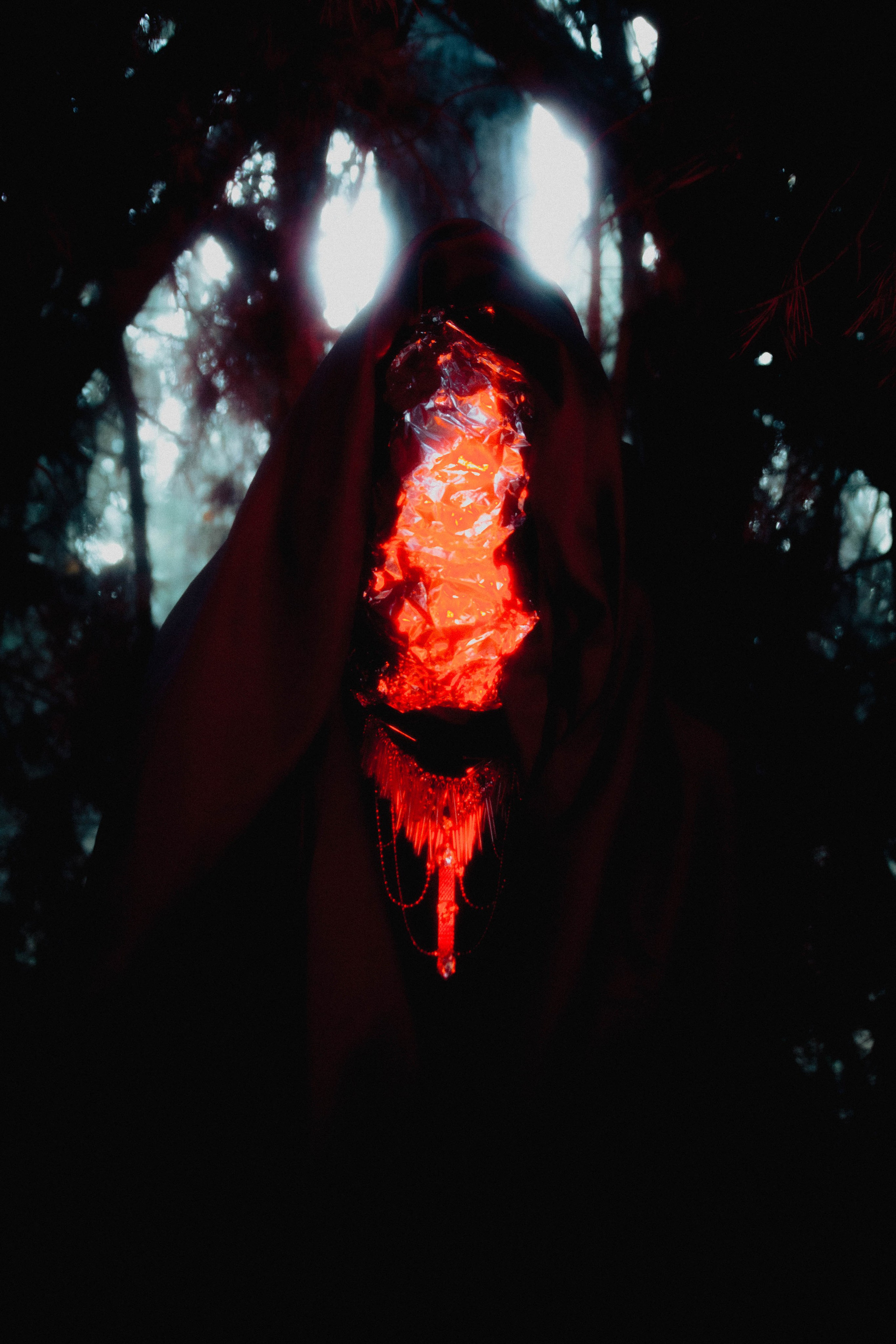
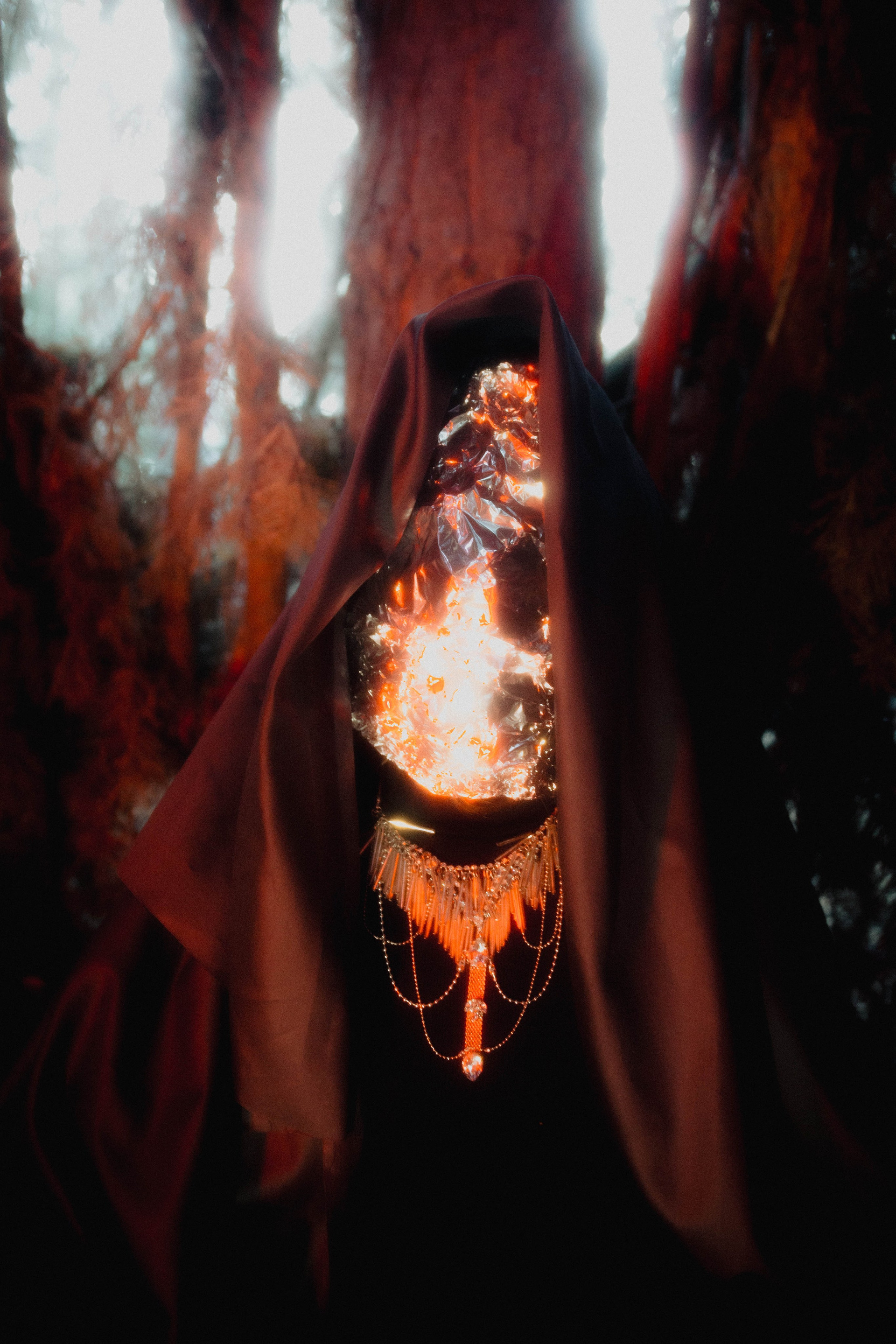
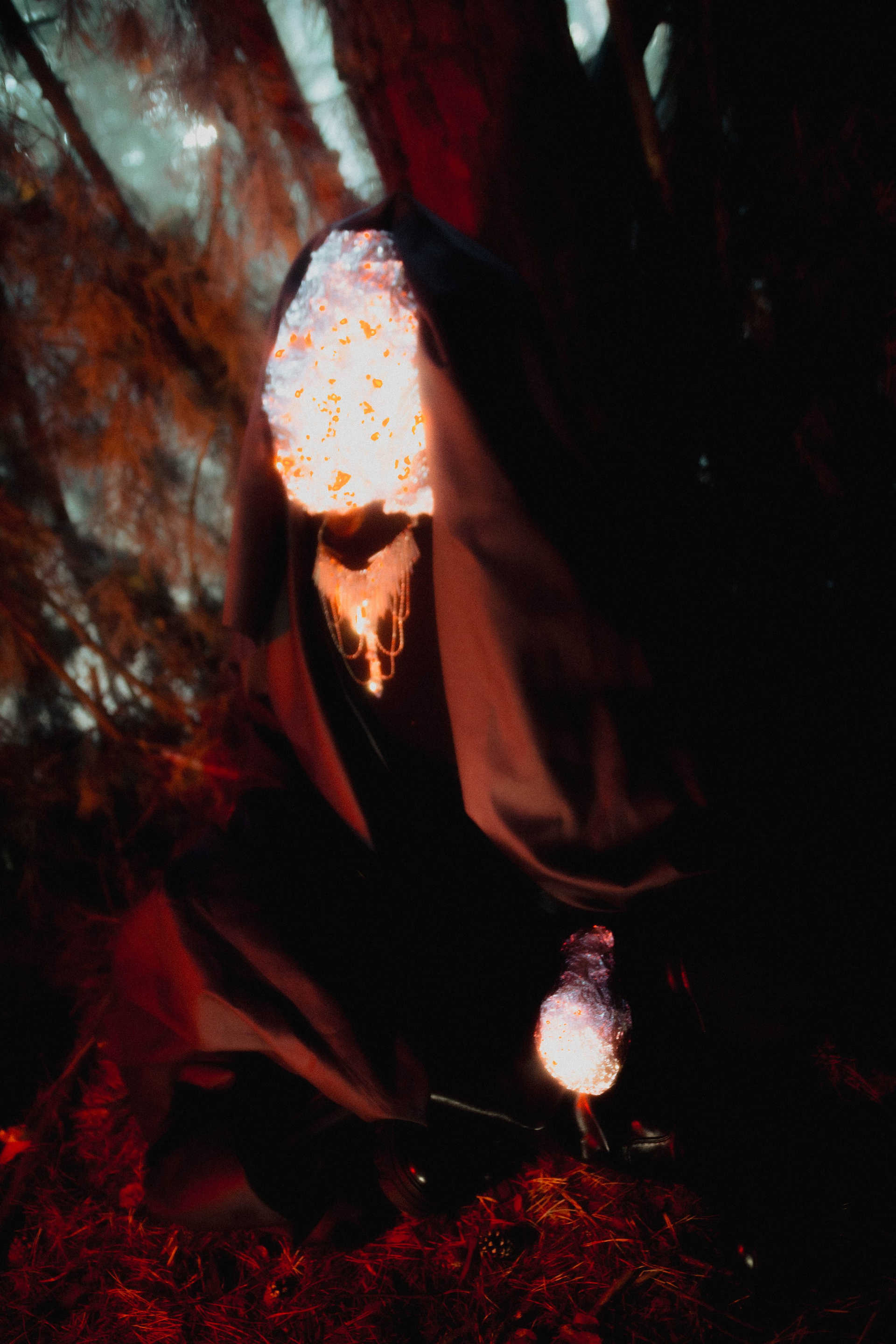
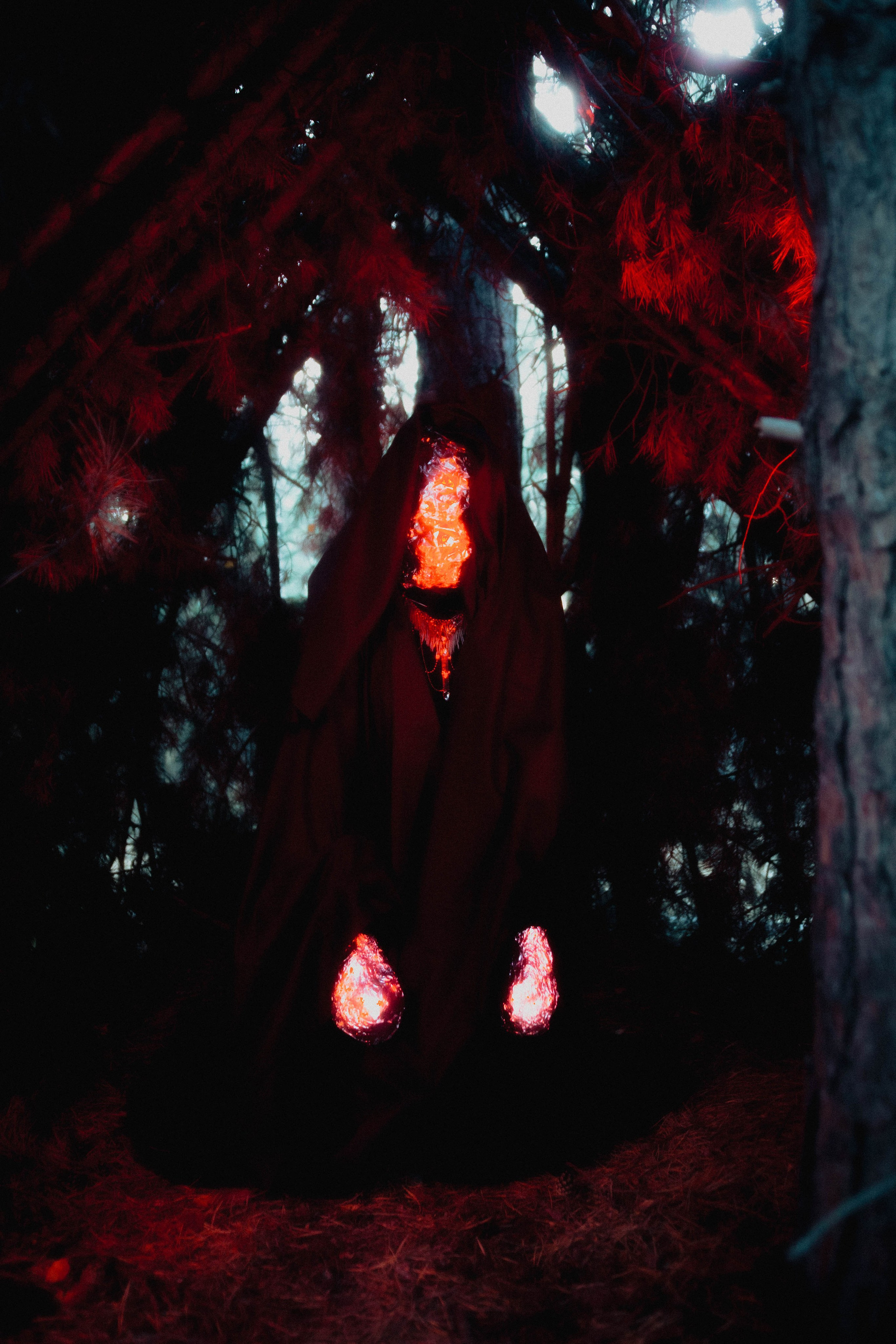
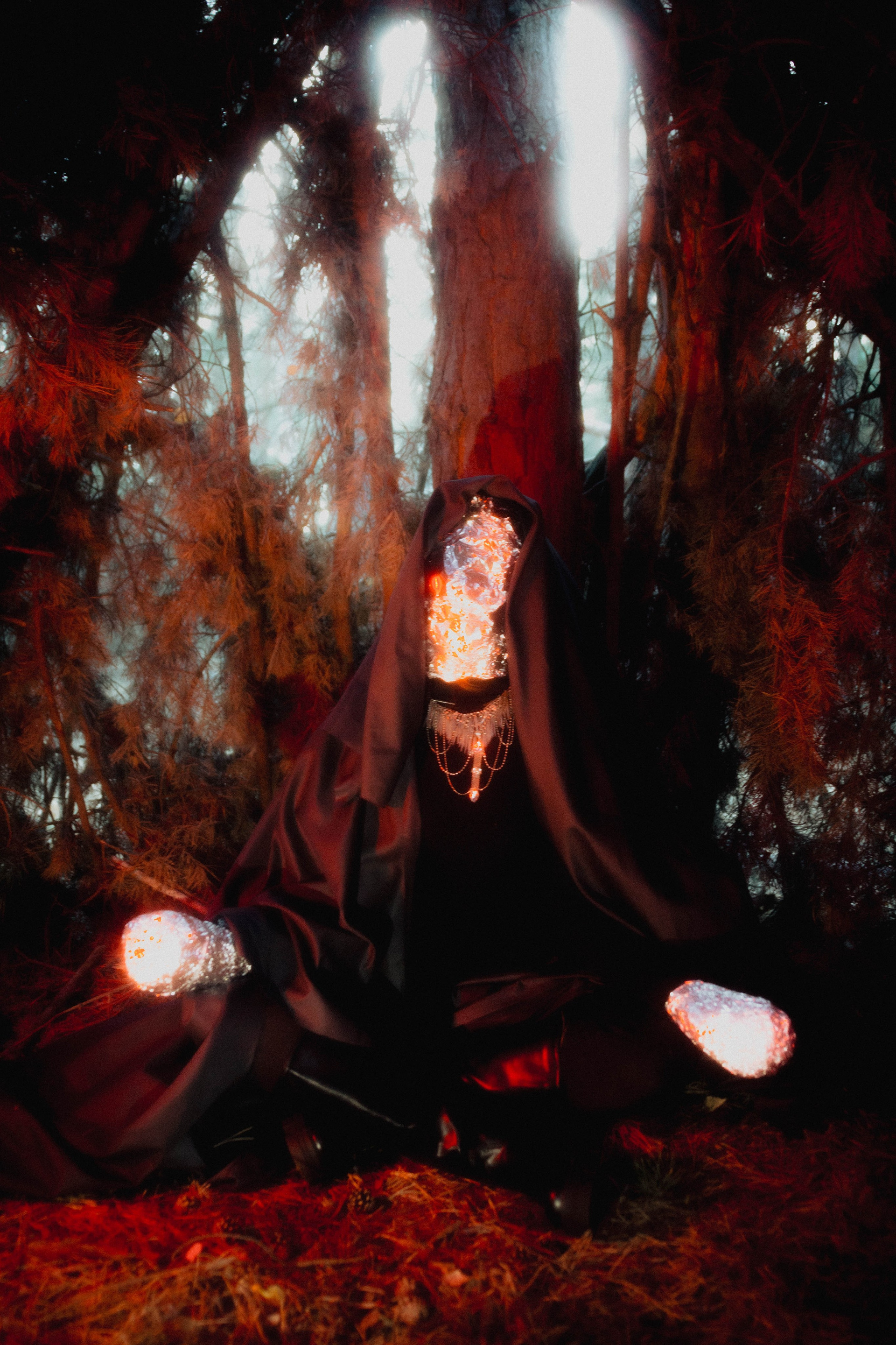
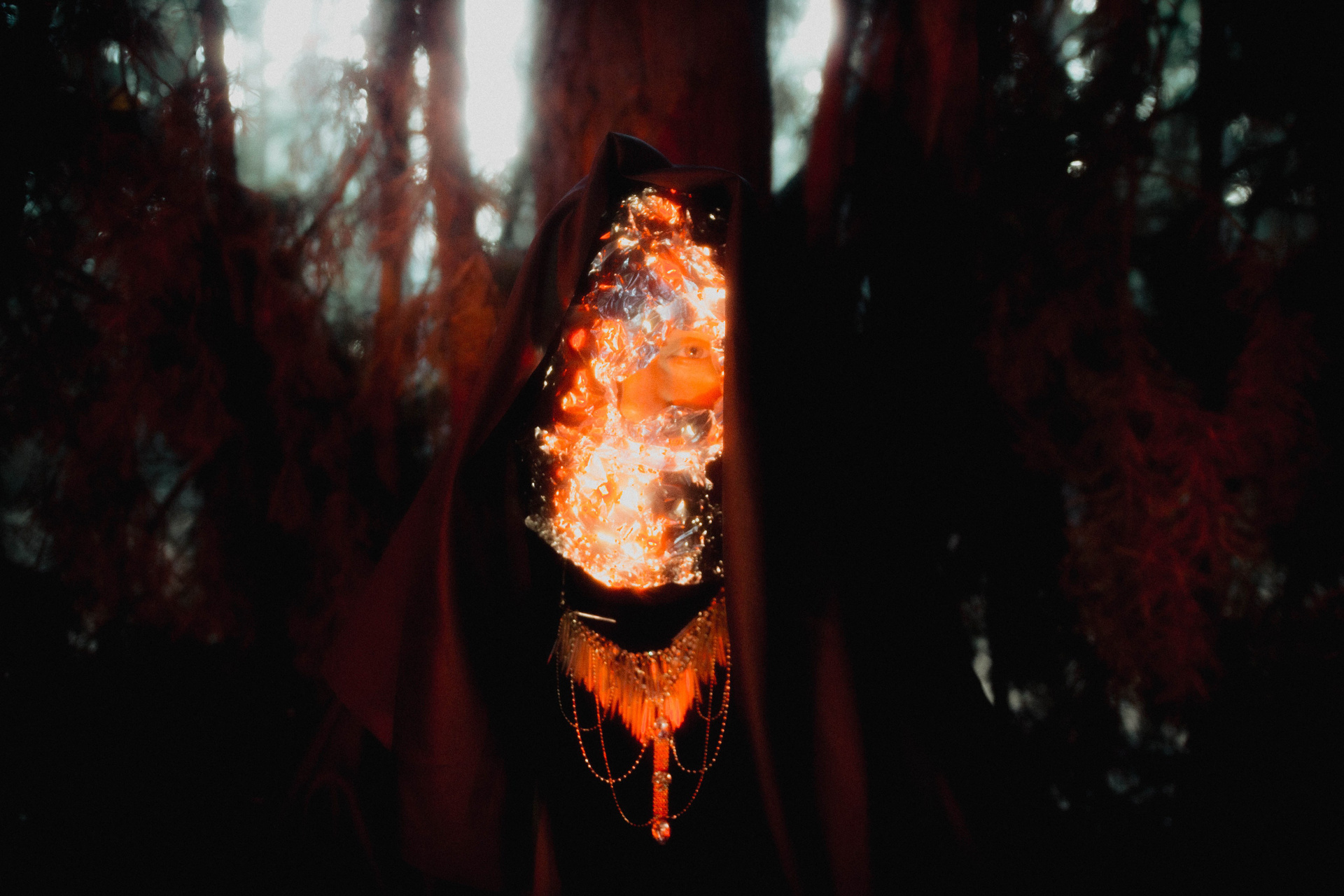
If the first series was about harmony, this one is about a brutal metamorphosis. It is a visual nightmare and, simultaneously, a hymn to rebirth. The heroine is undergoing a chrysalis stage, but her cocoon is not made of silk; it is metallic, artificial.
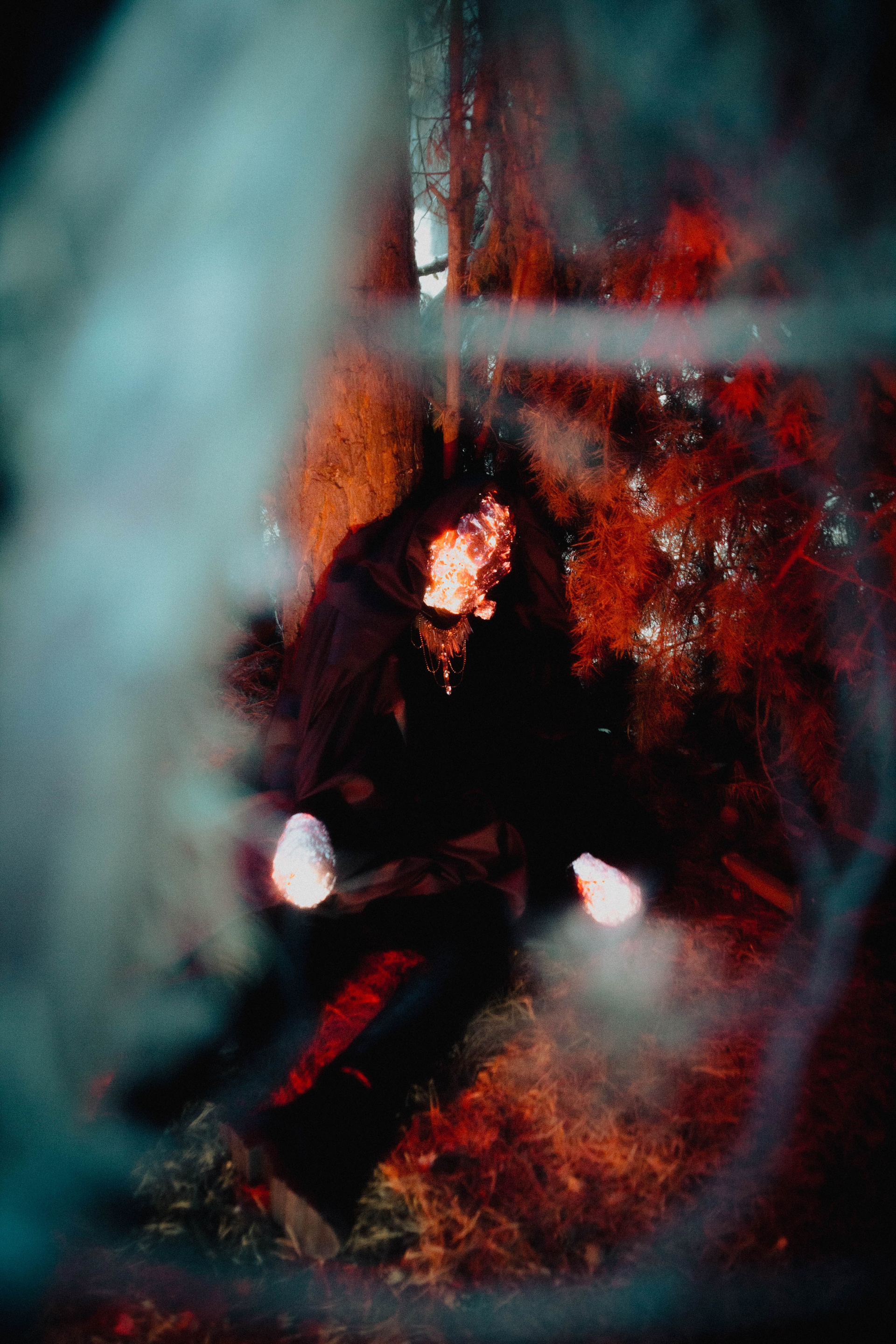
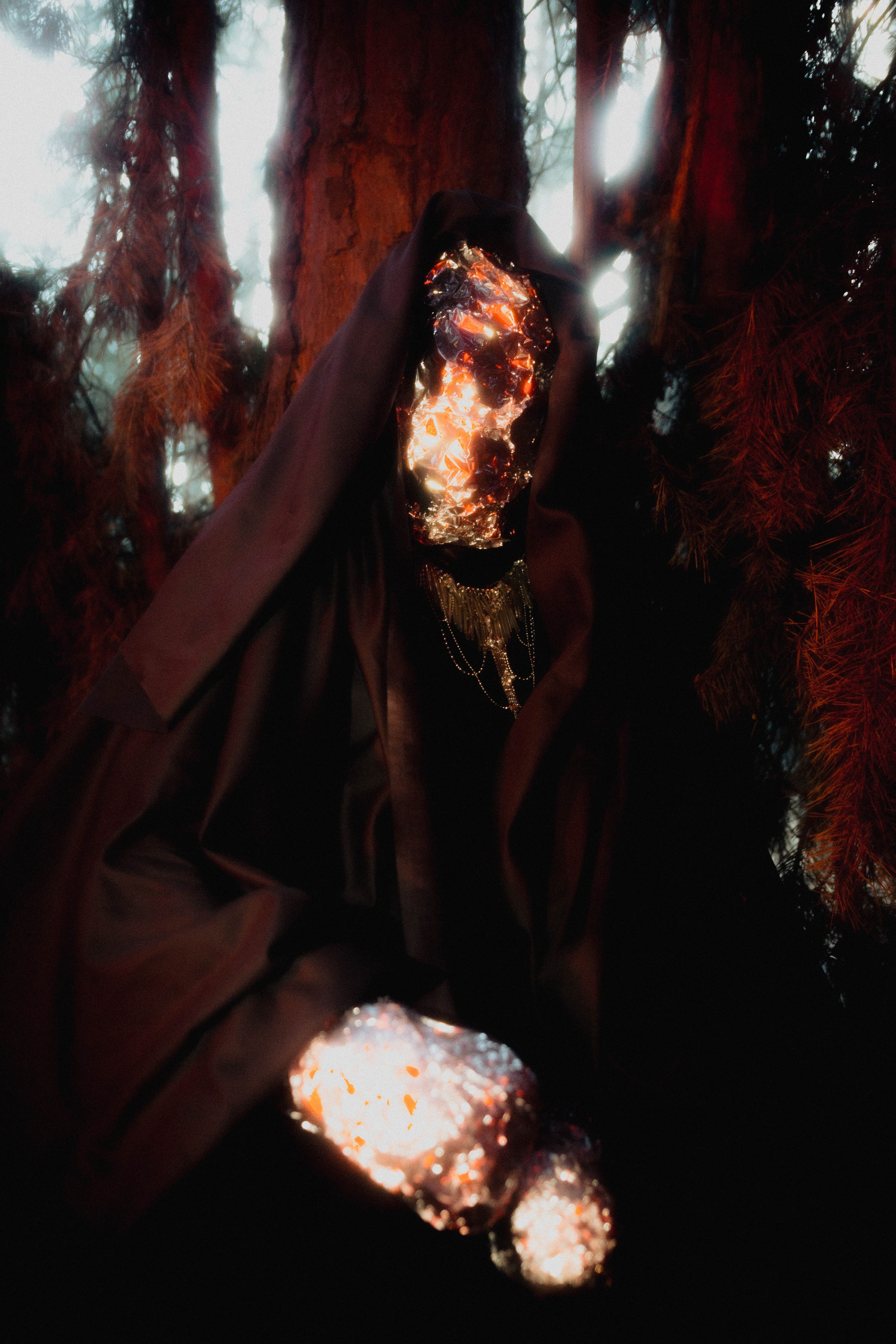
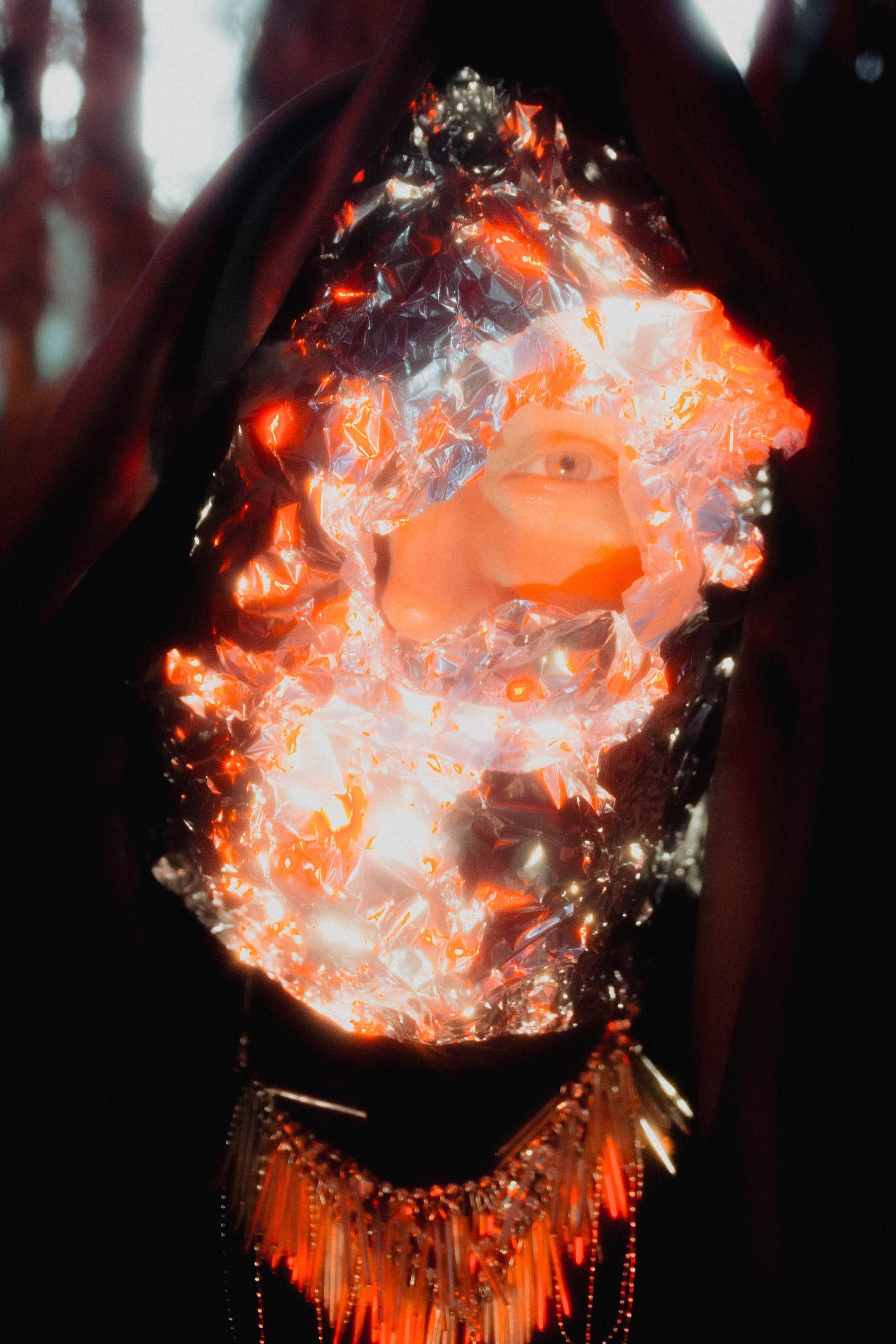
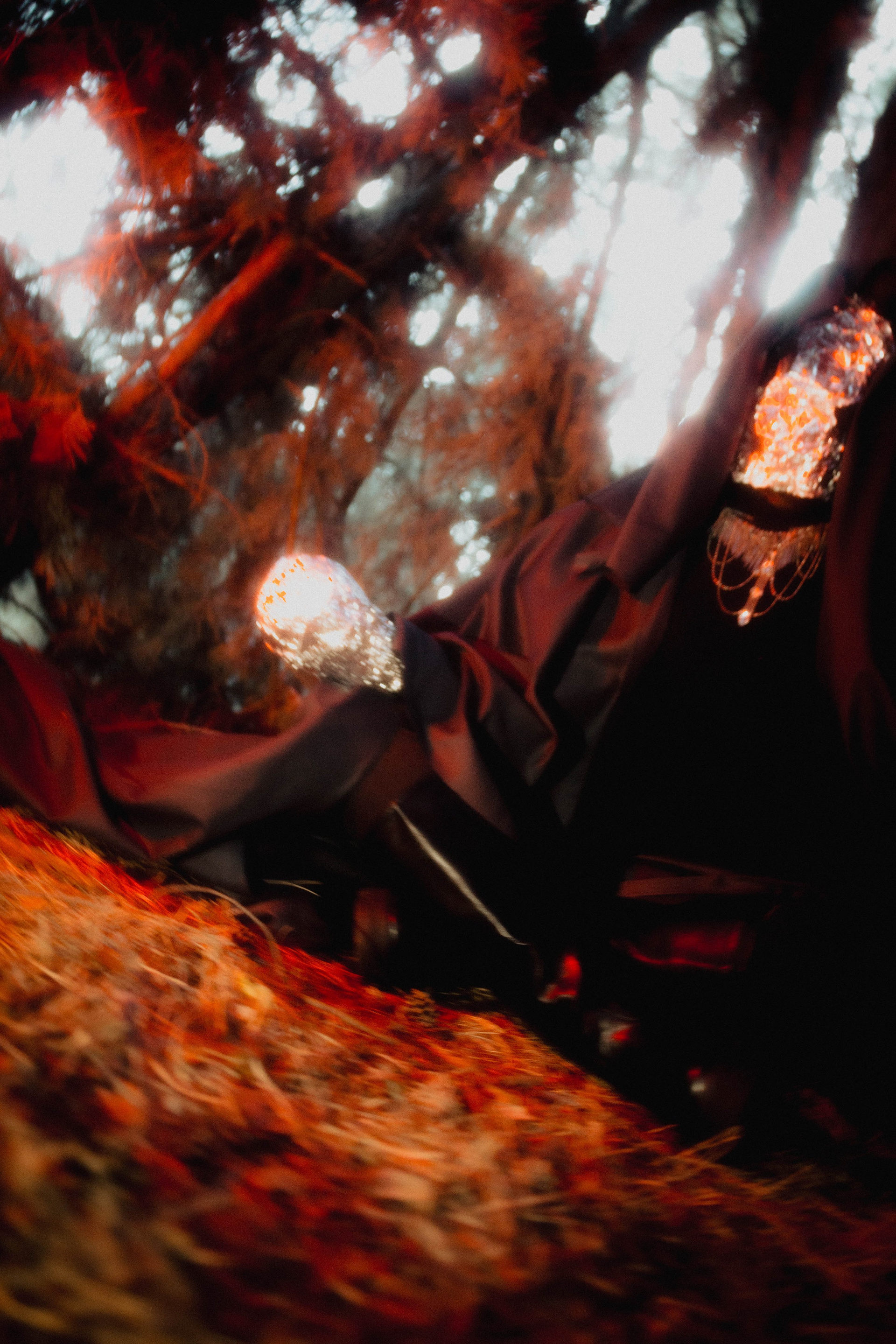
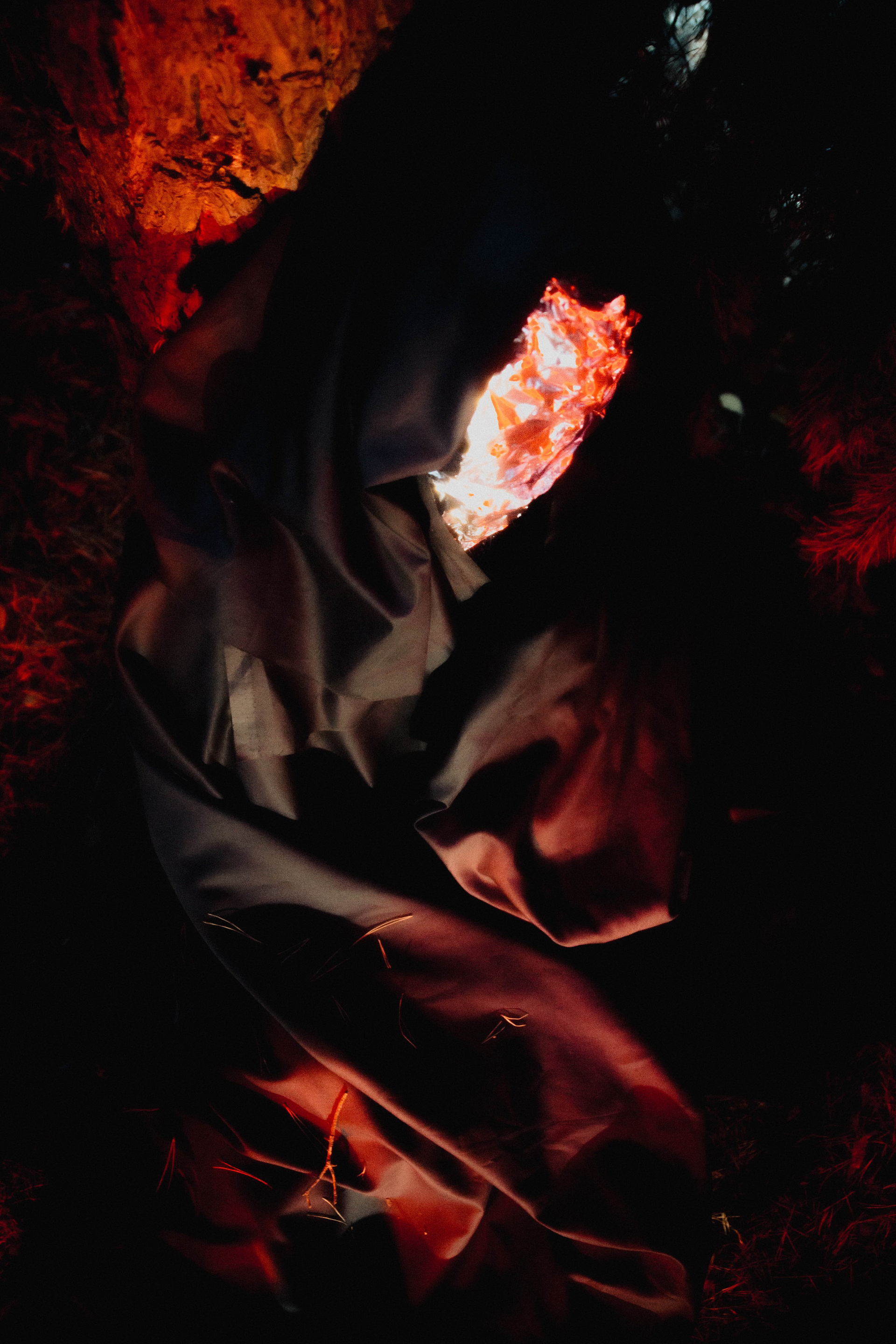
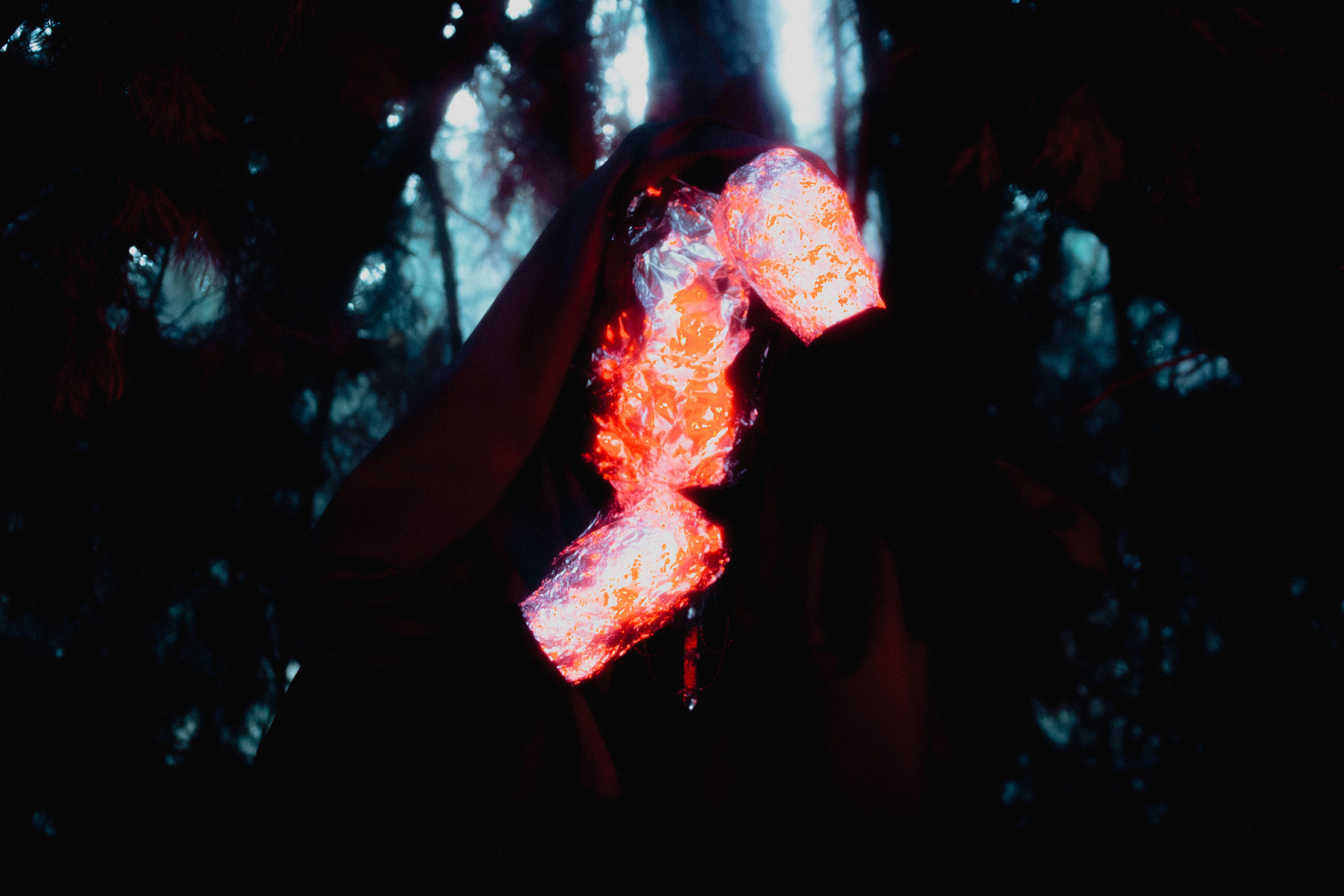
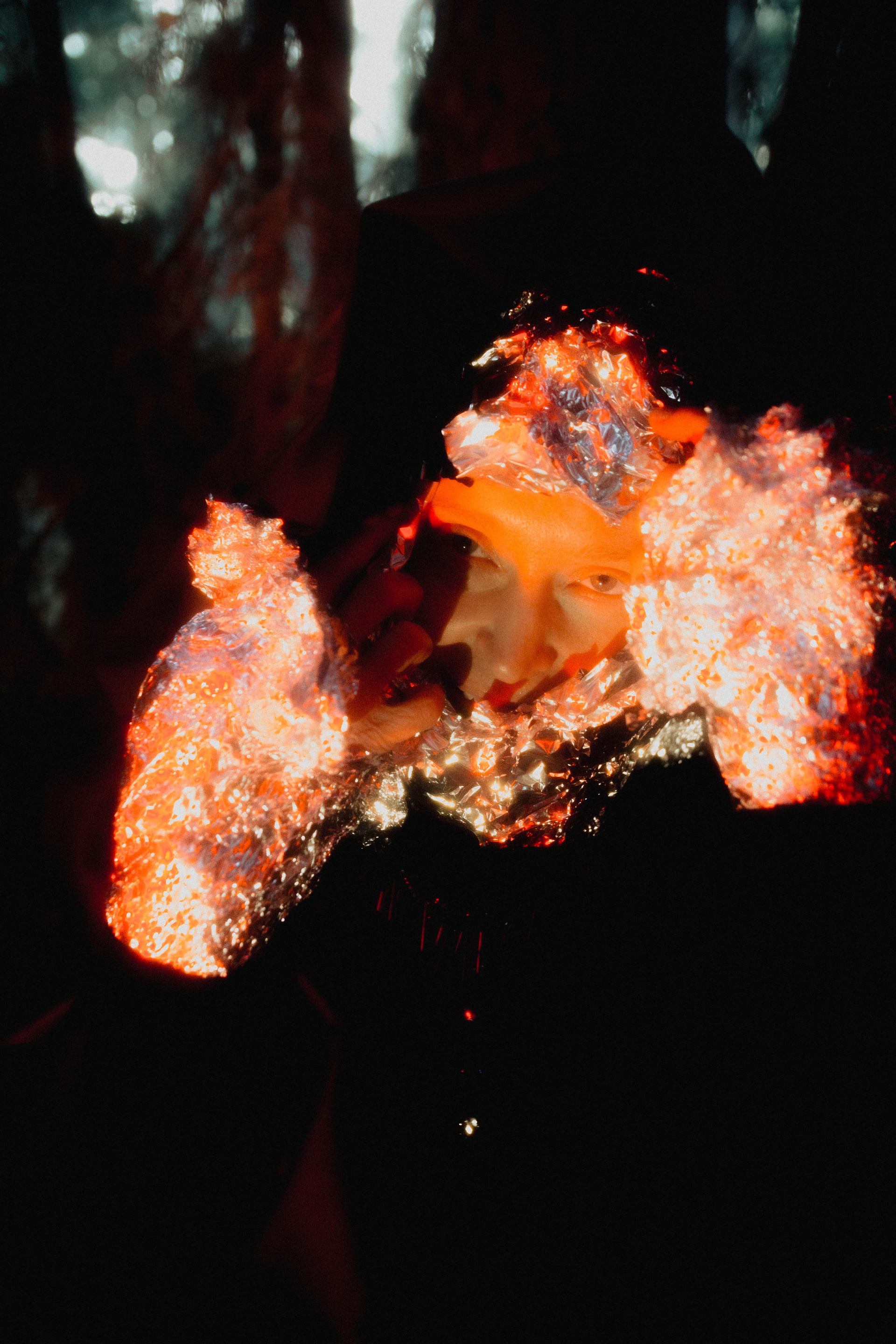
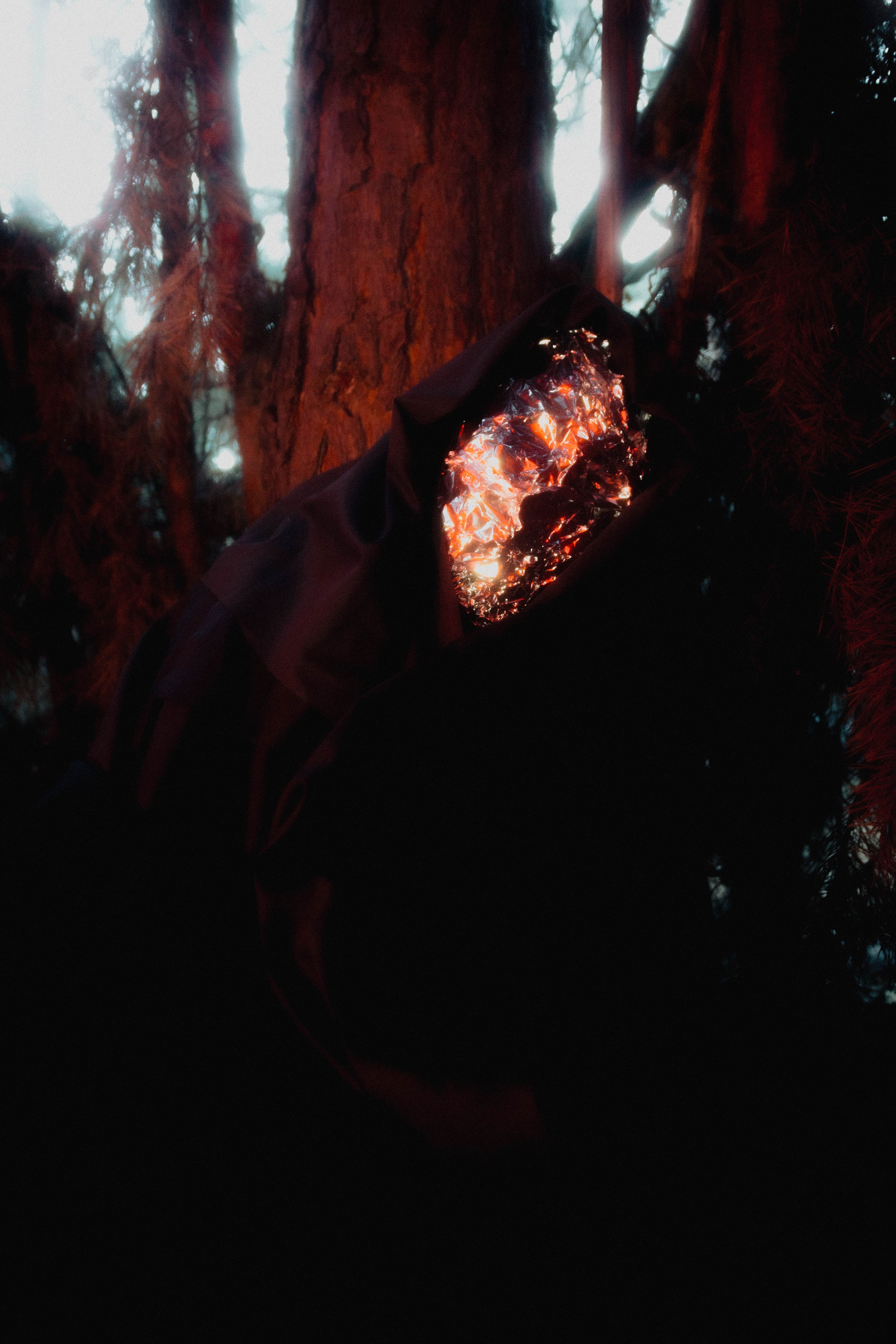
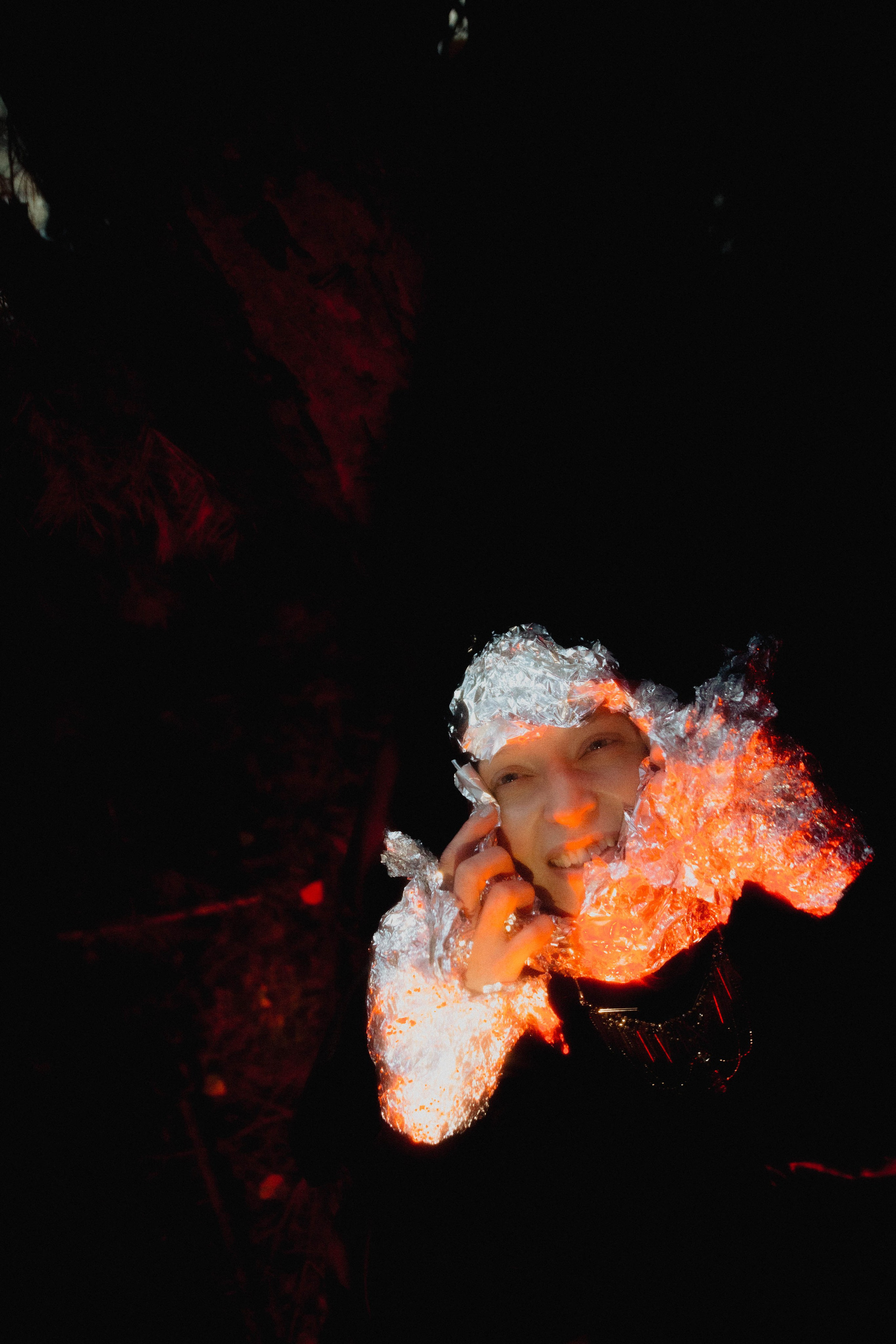
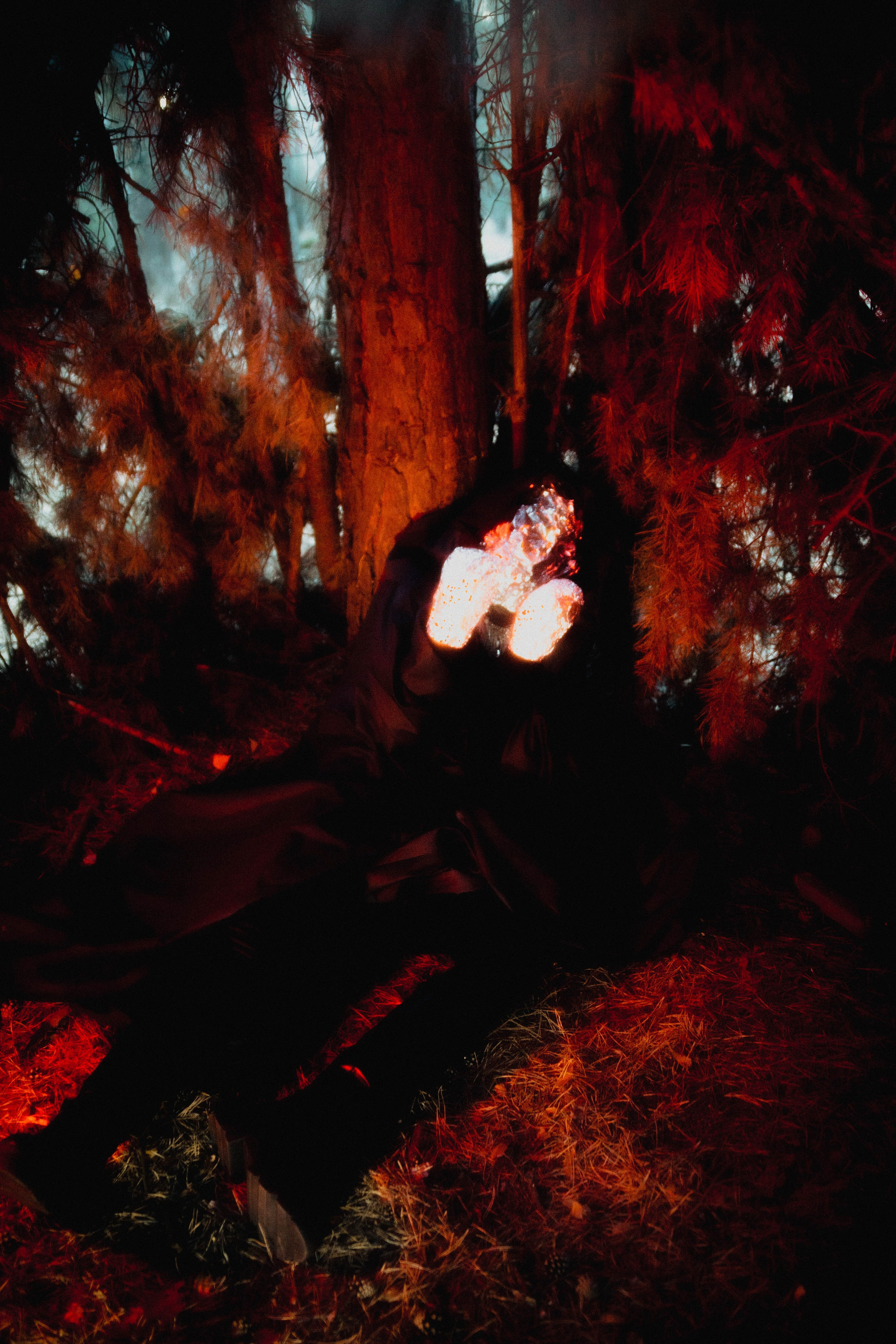
Here, Dmitry Kliment acts as a true experimental artist. He uses foil—an alien, inorganic material—to create a shocking contrast with the living nature of the autumn forest. The aggressive colored light (red, orange) transforms the scene into an alchemist’s laboratory or the crash site of an extraterrestrial object.






Key Motifs of the Series:
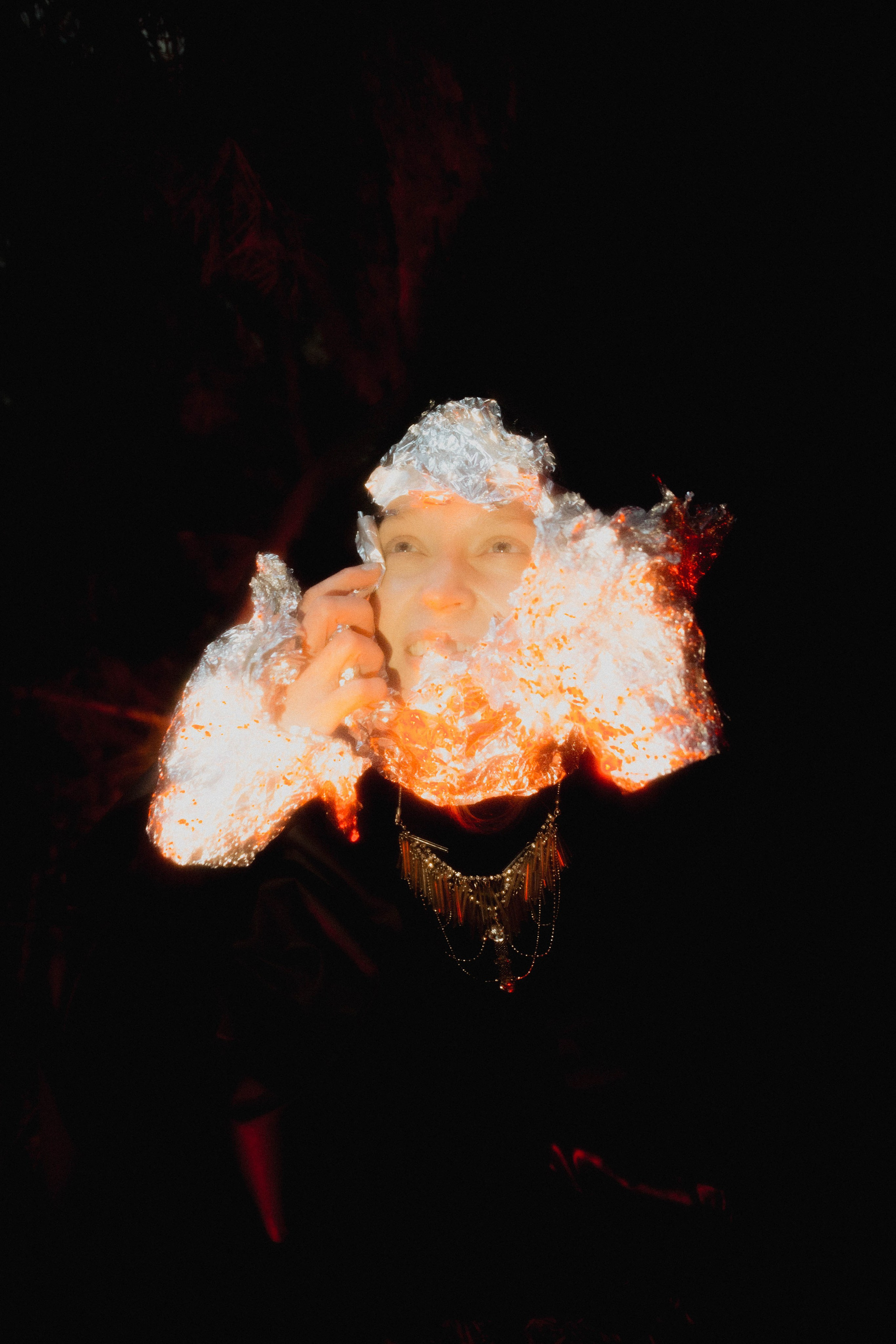
- Birth from the Inanimate: The foil depersonalizes, concealing the human and turning the heroine into a statue, a homunculus, something that has not yet taken its final form. The process of breaking free from this shell is an act of painful birth. She is not just removing a mask—she is tearing through it, being born anew.
- Light from Within: The colored light illuminating the foil creates the illusion that the energy comes from inside the cocoon. It is not an external source but an inner force that melts and ruptures its metallic prison. Red is the color of pain, passion, and life.
- The Conflict of Nature and Technology: This is the central theme of the series. What happens when something new, created not by nature but by man—or perhaps not by man at all—is born in the heart of an ancient forest? The series leaves this question open, making the viewer feel both anxiety and curiosity.
“The Inorganic Cocoon” is a bold, avant-garde art project about transformation, overcoming an imposed form, and the birth of a new, terrifying, and beautiful identity.
