

GORGON
Chronicles in Smoke and Crimson
Photographer: Andrei Viazovtsev
Model: Yulia Yurchevskaya
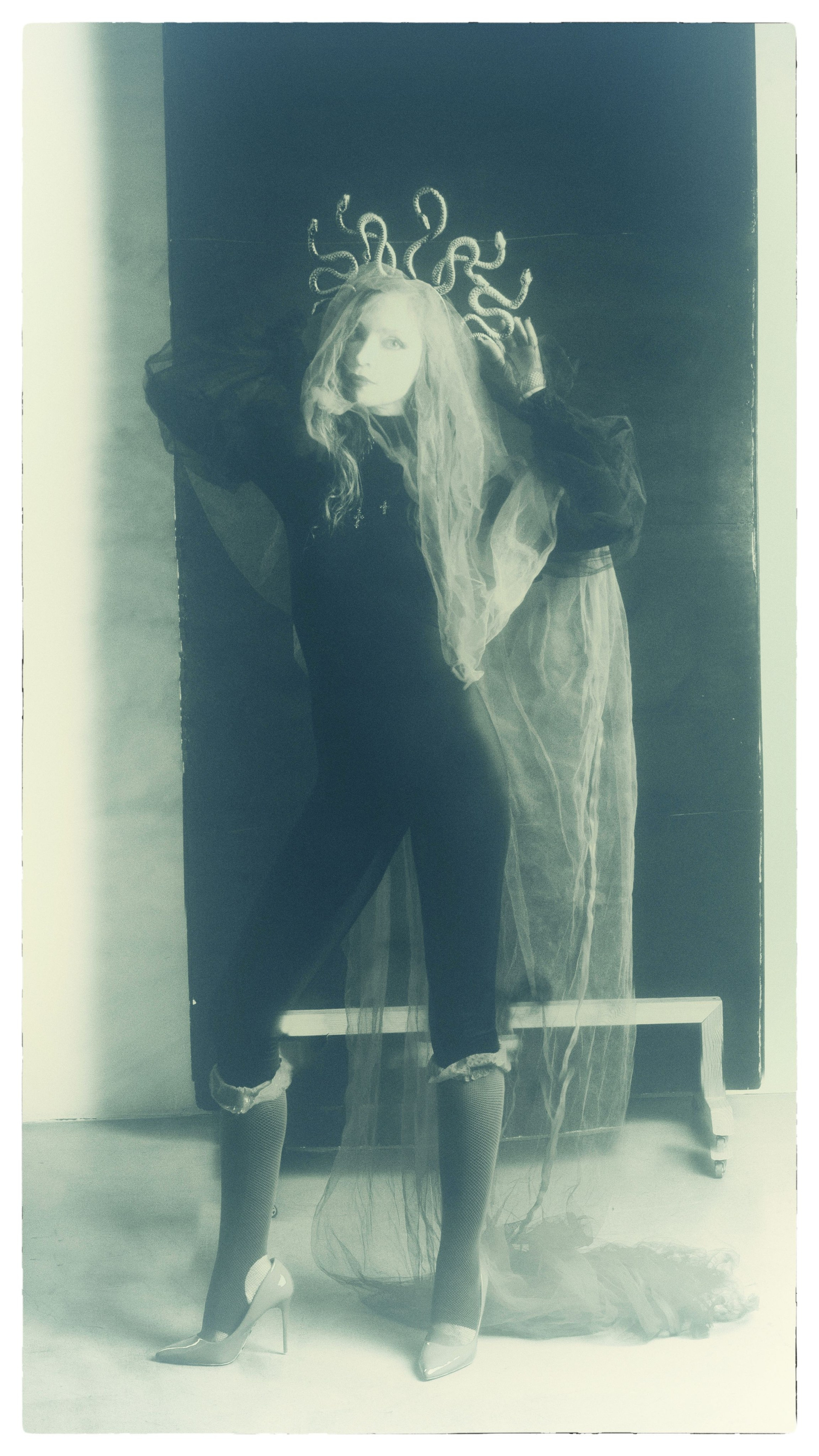
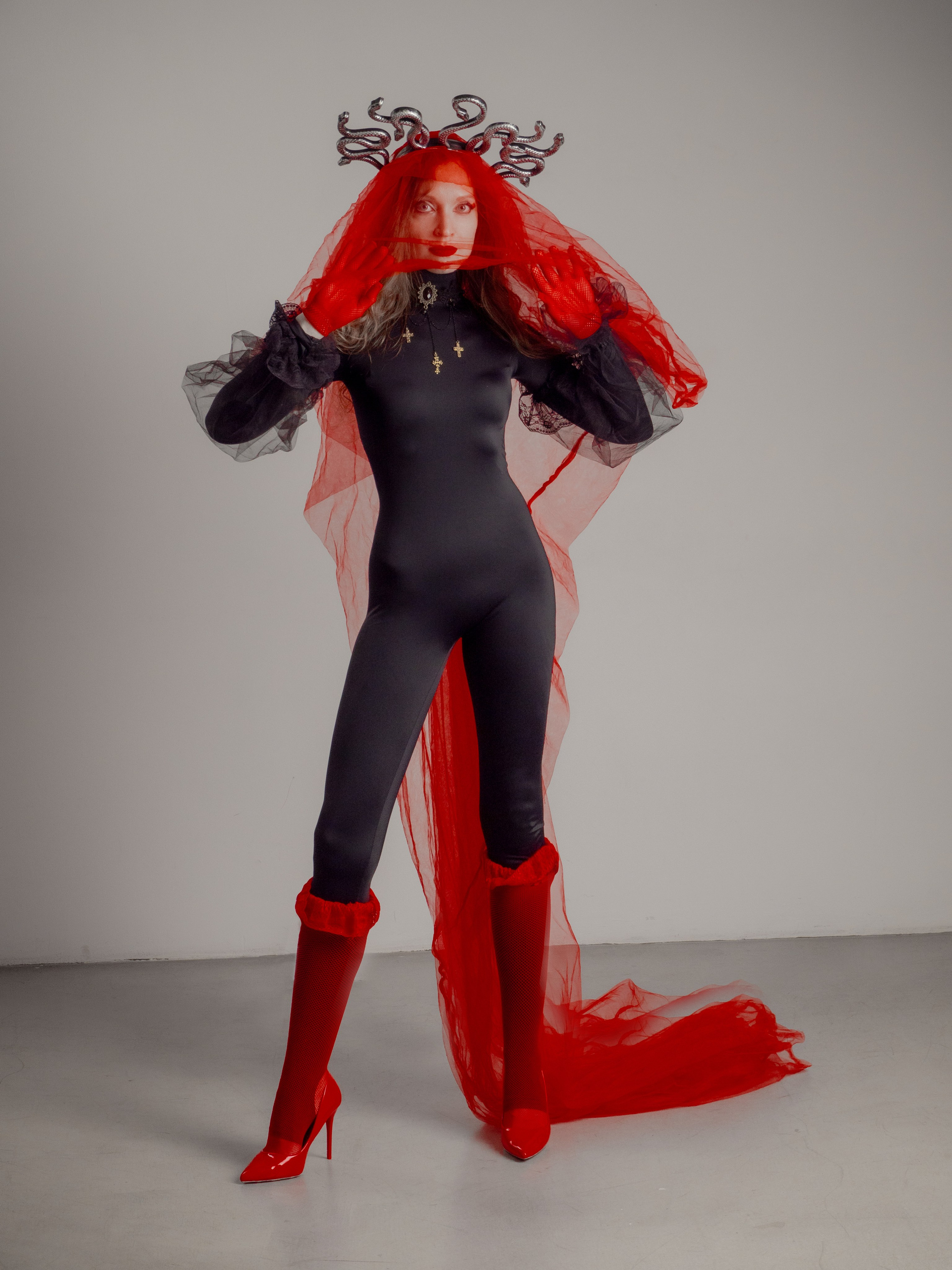
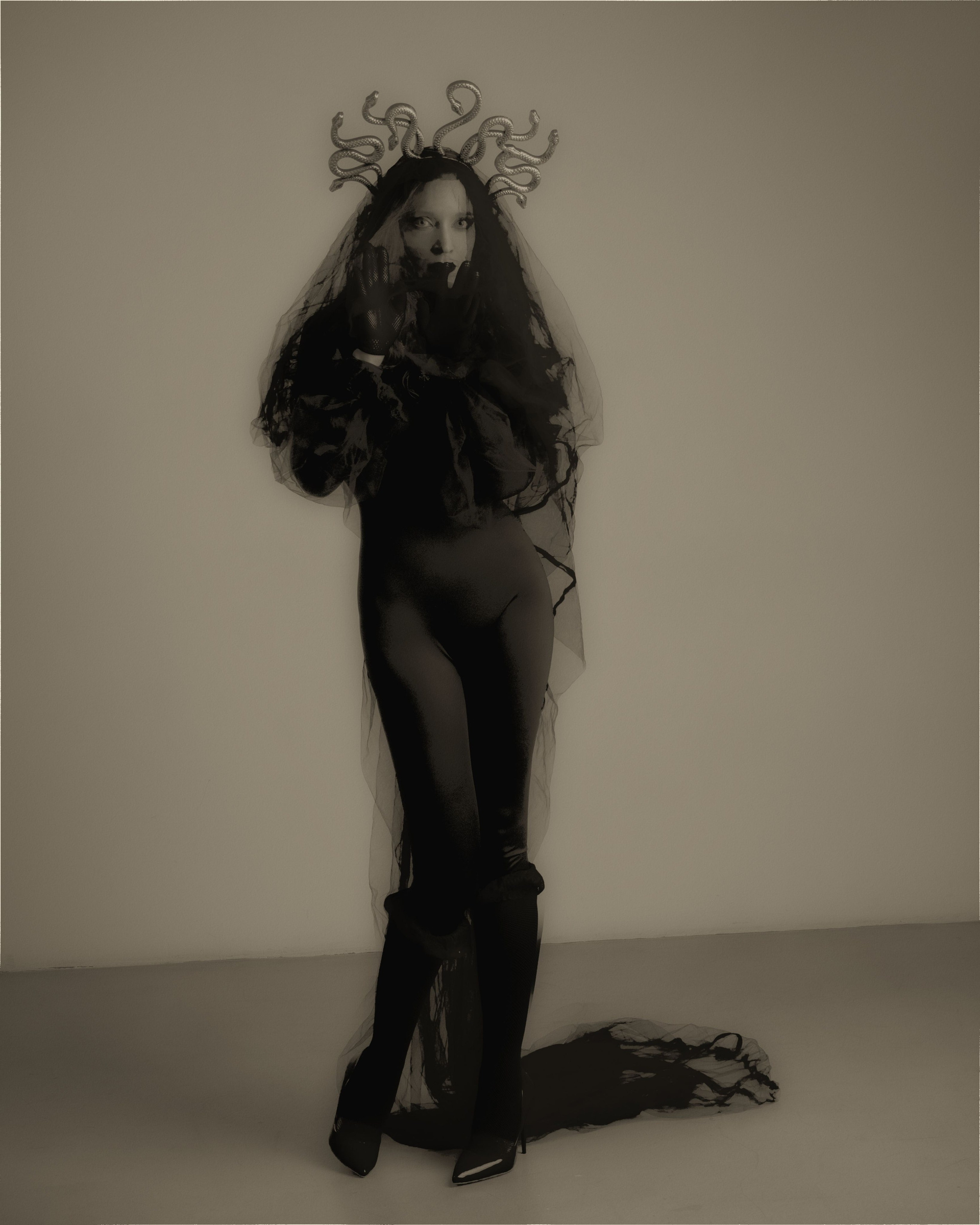
This series is not just a portrait or a fashion shoot. It is an immersion into a dark, ancient myth, re-imagined and retold. We were not creating a character; we were invoking an archetype—a tragic queen, a dark priestess, a deity exiled from the pantheon but who has not lost her power. This is the story of Medusa Gorgon, but told not from the hero’s perspective, but from the depths of her own loneliness and strength.
Concept and SymbolismEvery element here is a symbol woven into the overarching narrative:
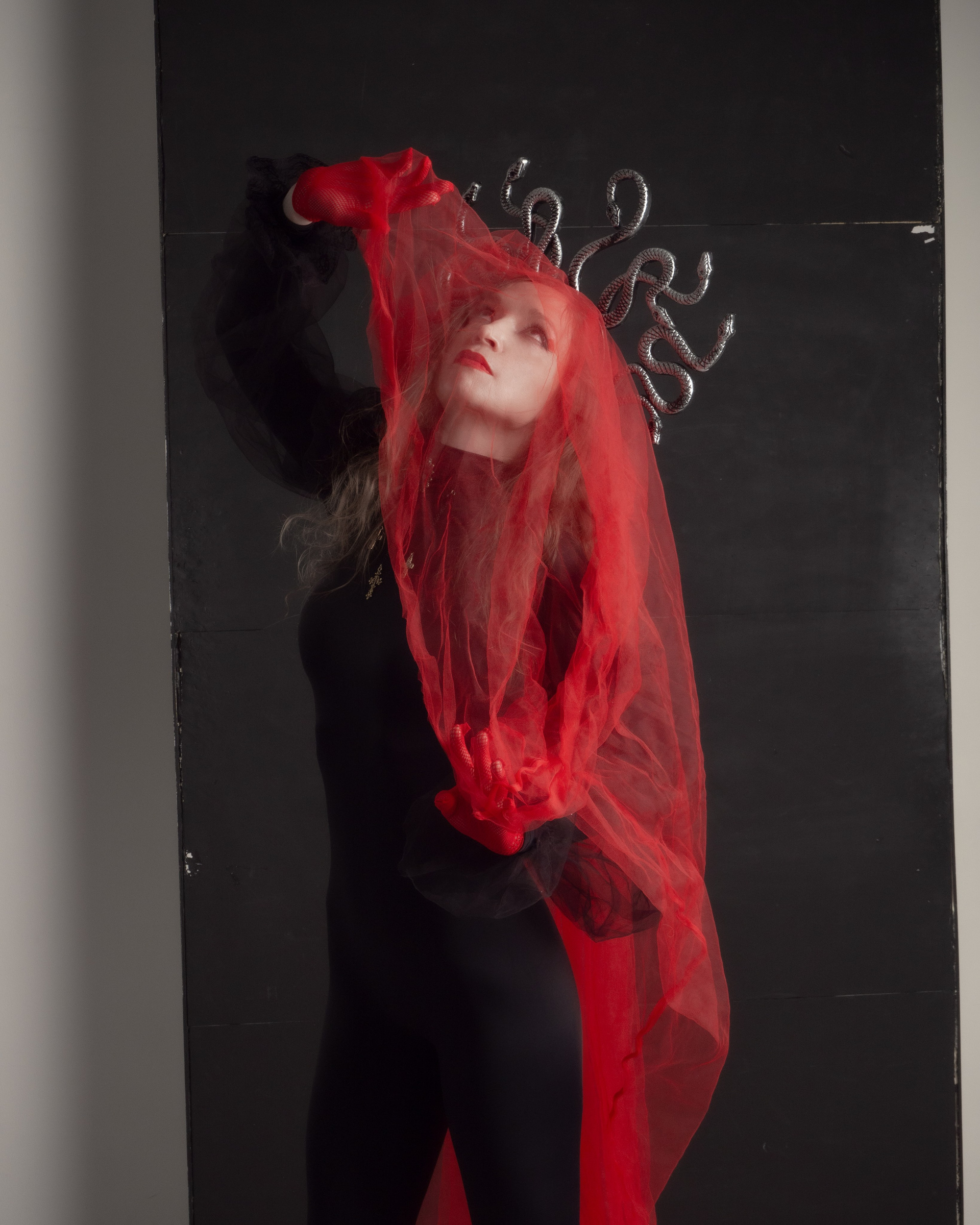
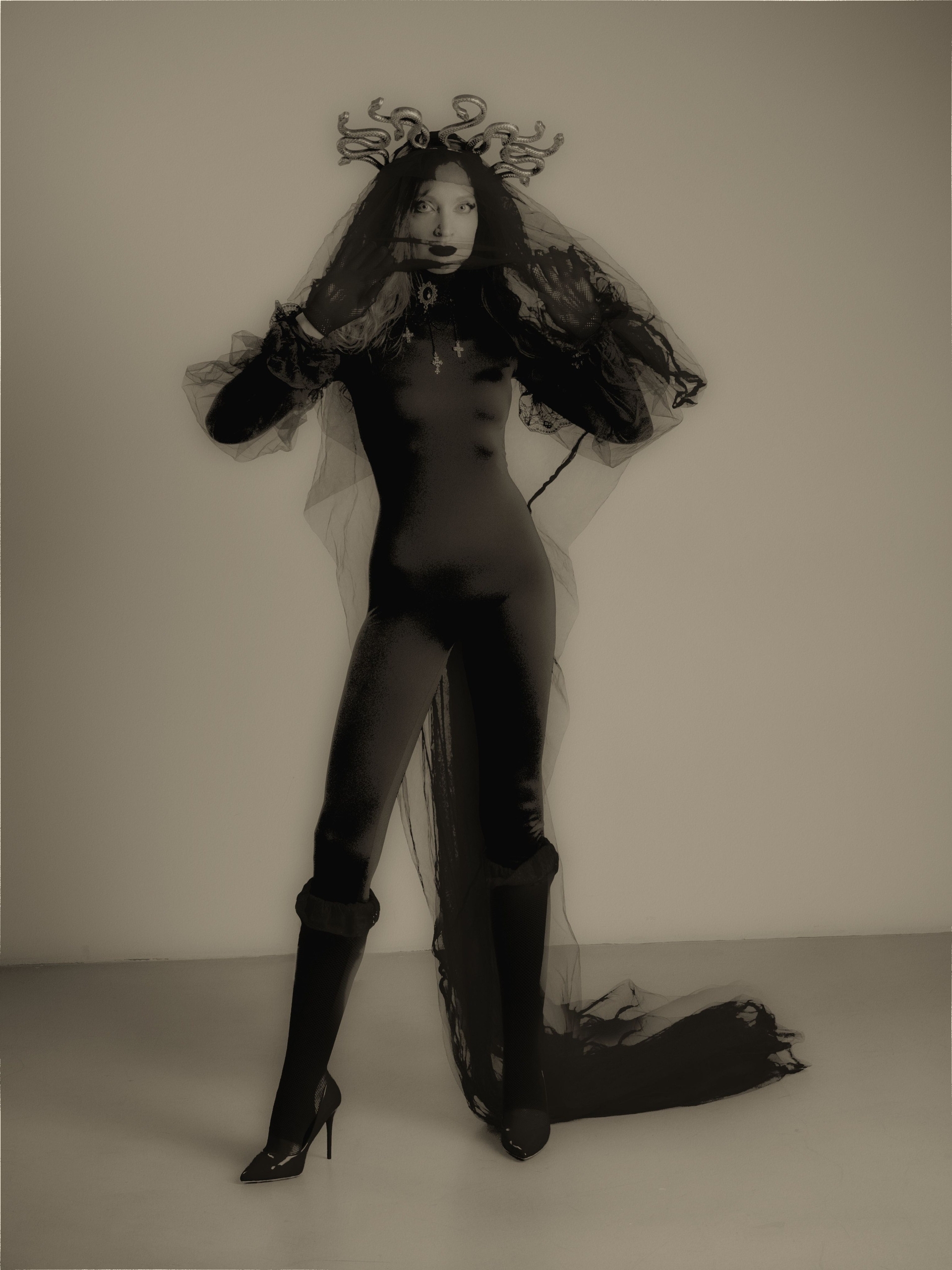
- The Crown of Serpents: This is not a mere accessory; it is a symbol of cursed power and primal, dangerous femininity. The snakes represent both wisdom and a mortal threat, and they are an inseparable part of her being.
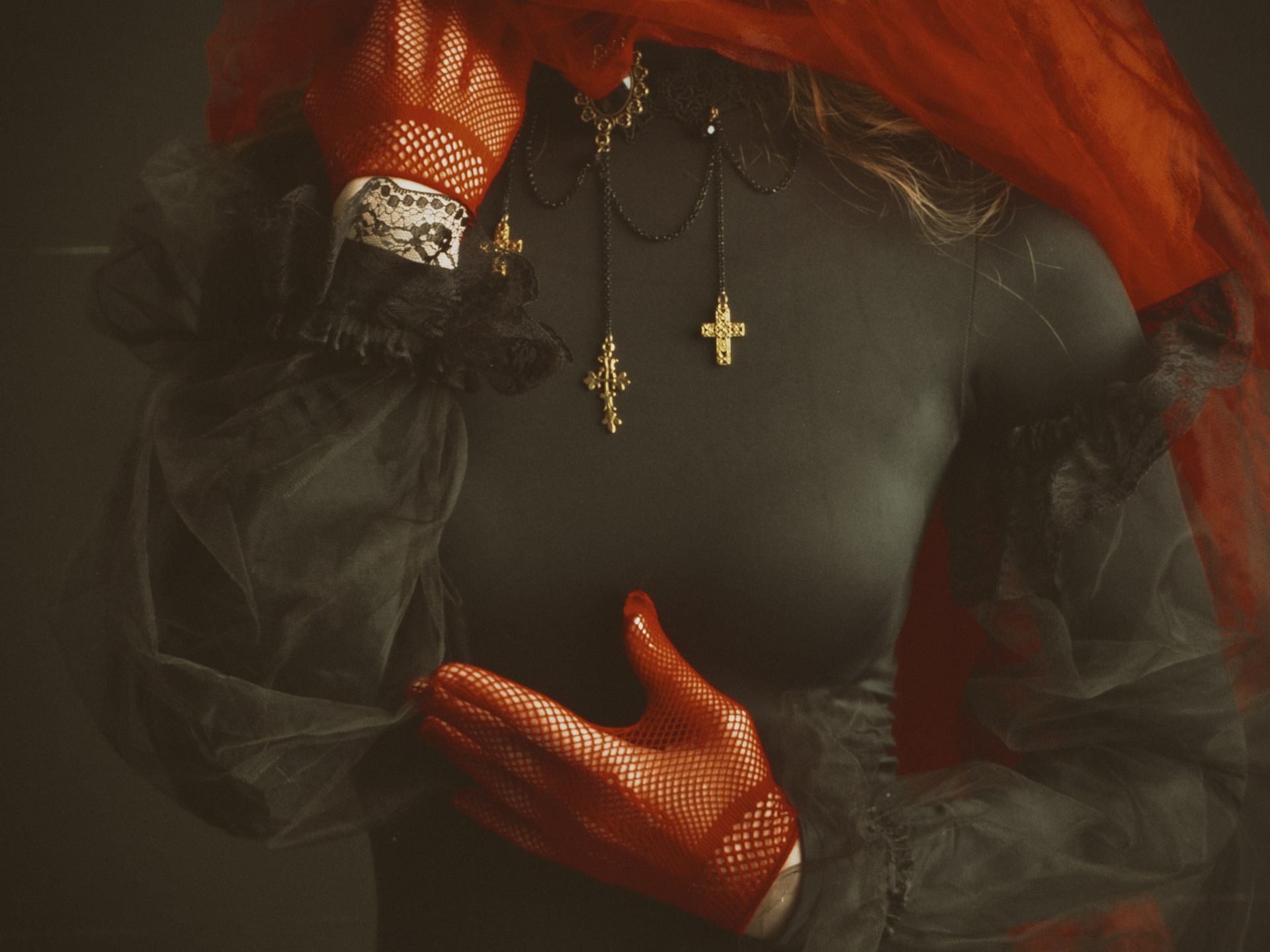
- The Crimson Color: The red here is the color of blood, passion, royalty, and sacrifice. The long veil flowing from her head resembles a river of blood or a torn bridal veil, hinting at the tragic story of a beautiful maiden’s transformation into a monster.
- The Crosses on Her Chest: This is perhaps the most provocative and profound element. It represents a clash between pagan myth and Christian symbolism. Who is she? A fallen angel? The saint of a forbidden cult? This creates a powerful tension, telling a story of conflicting beliefs, of old gods branded by a new religion.
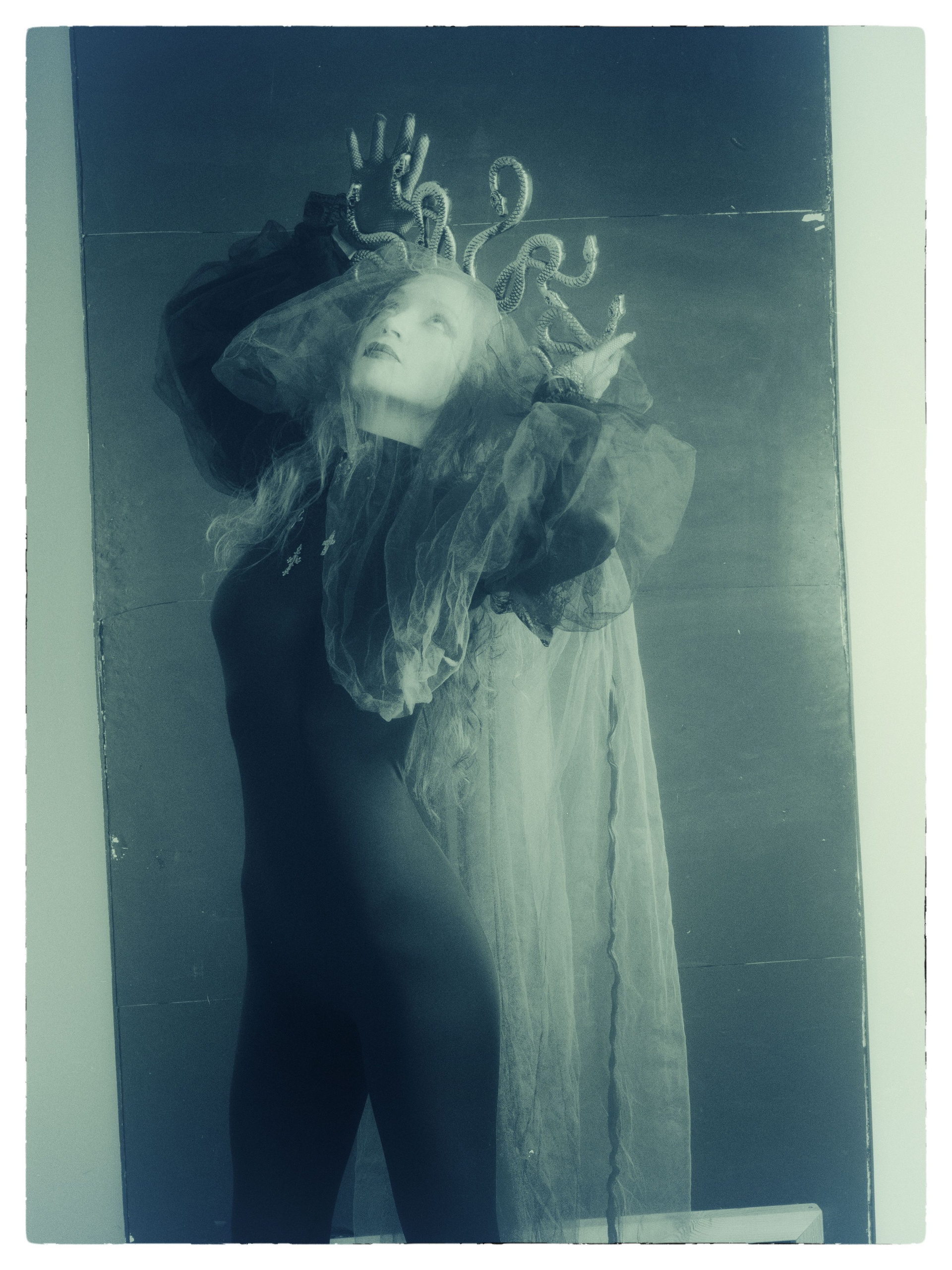
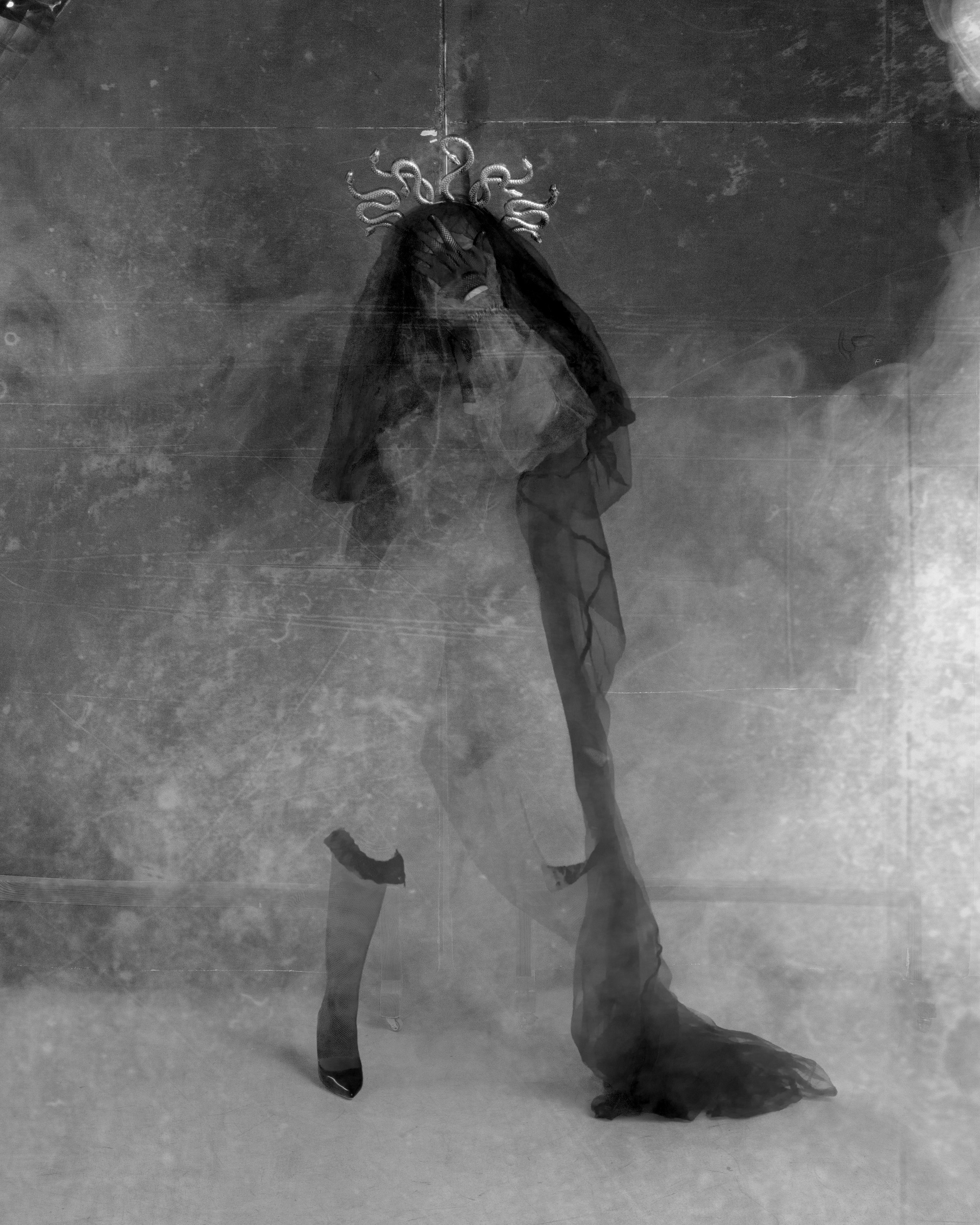
- Smoke and Fog: This is the veil of time, the space of a dream, or the underworld. The figure emerges from the mist and is ready to dissolve back into it. The smoke both conceals and emphasizes the silhouette, making the image spectral and otherworldly.





Andrei Vyazovtsev’s Visual ApproachHere, Andrei moves away from graphic minimalism towards a painterly, almost baroque dramatism.
- Baroque Lighting: He uses light like Caravaggio—snatching the figure from absolute darkness. The light sculpts volume, emphasizes the texture of skin, the gleam of metal, and the flowing fabric, creating an almost tangible sense of presence.
- The “Found Footage” Effect: Some frames are processed to look like old, fading Polaroid shots or damaged negatives. This is a brilliant move that creates a sense of authenticity, as if we are looking at an ancient artifact, the only surviving evidence of this mythical entity’s existence.
- Focus on Details: The close-ups of hands, crosses, the face—Andrei compels the viewer to look closer, to seek answers in the details, to read this story slowly, like an ancient manuscript.
“Gorgon” is a visual poem about a power that is both a gift and a curse. It is a story about a beauty that terrifies, and a tragedy that mesmerizes.
